

Building Bridges: Community Safety Workshops for Young Adults

Updated: Dec 7, 2025

In today's world, young adults face a myriad of challenges, from navigating social pressures to understanding the importance of safety in their communities. With rising concerns about crime and personal safety, it is crucial to equip this demographic with the knowledge and skills they need to protect themselves and contribute positively to their neighborhoods. Community safety workshops serve as a vital resource in this regard, fostering a sense of empowerment and responsibility among young adults.
Understanding the Need for Community Safety Workshops
The Current Landscape
The safety of communities has become a pressing issue, especially for young adults who are often seen as vulnerable. According to recent statistics, nearly 40% of young adults report feeling unsafe in their neighborhoods. This feeling of insecurity can stem from various factors, including crime rates, lack of community engagement, and insufficient knowledge about personal safety measures.
The Role of Workshops
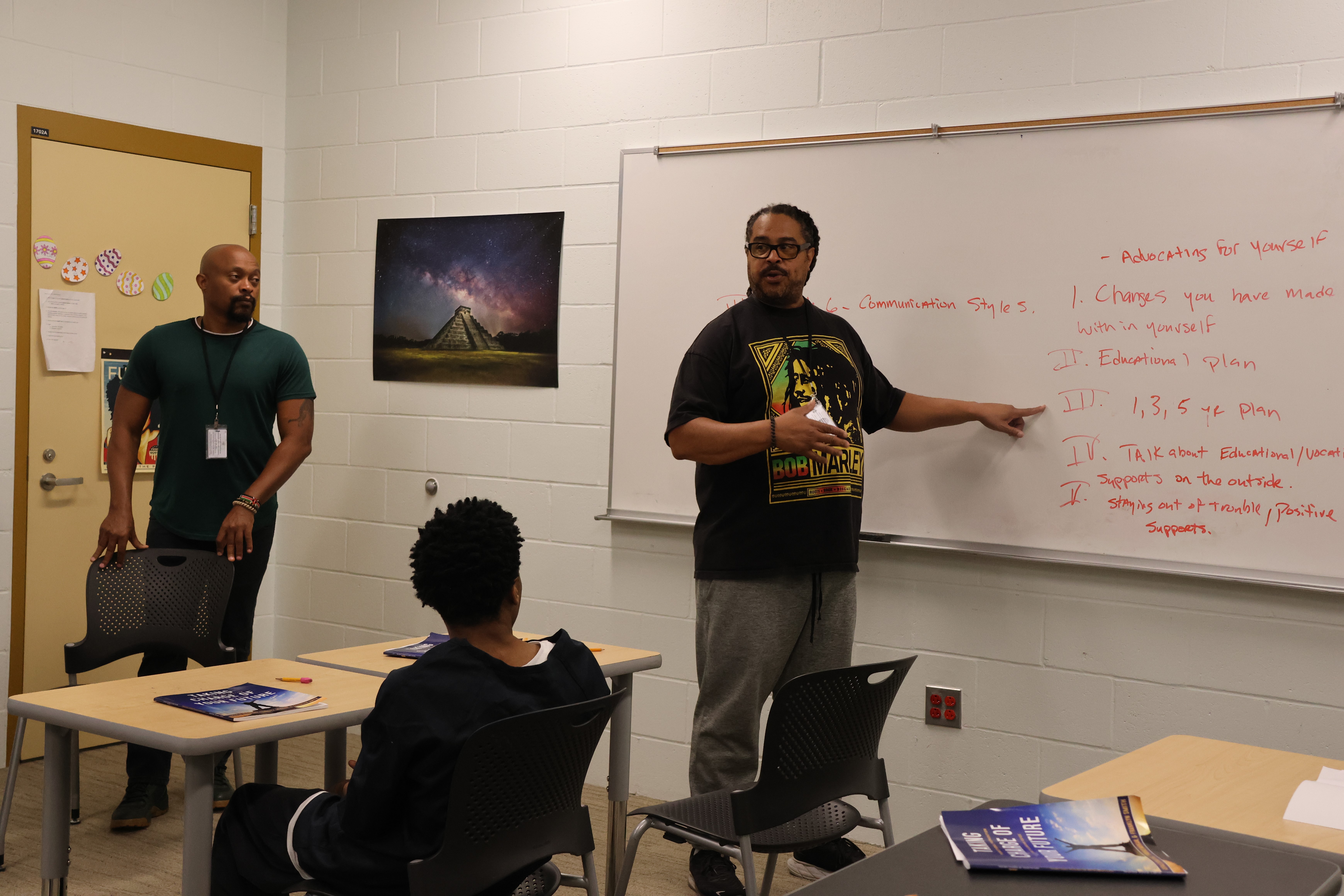
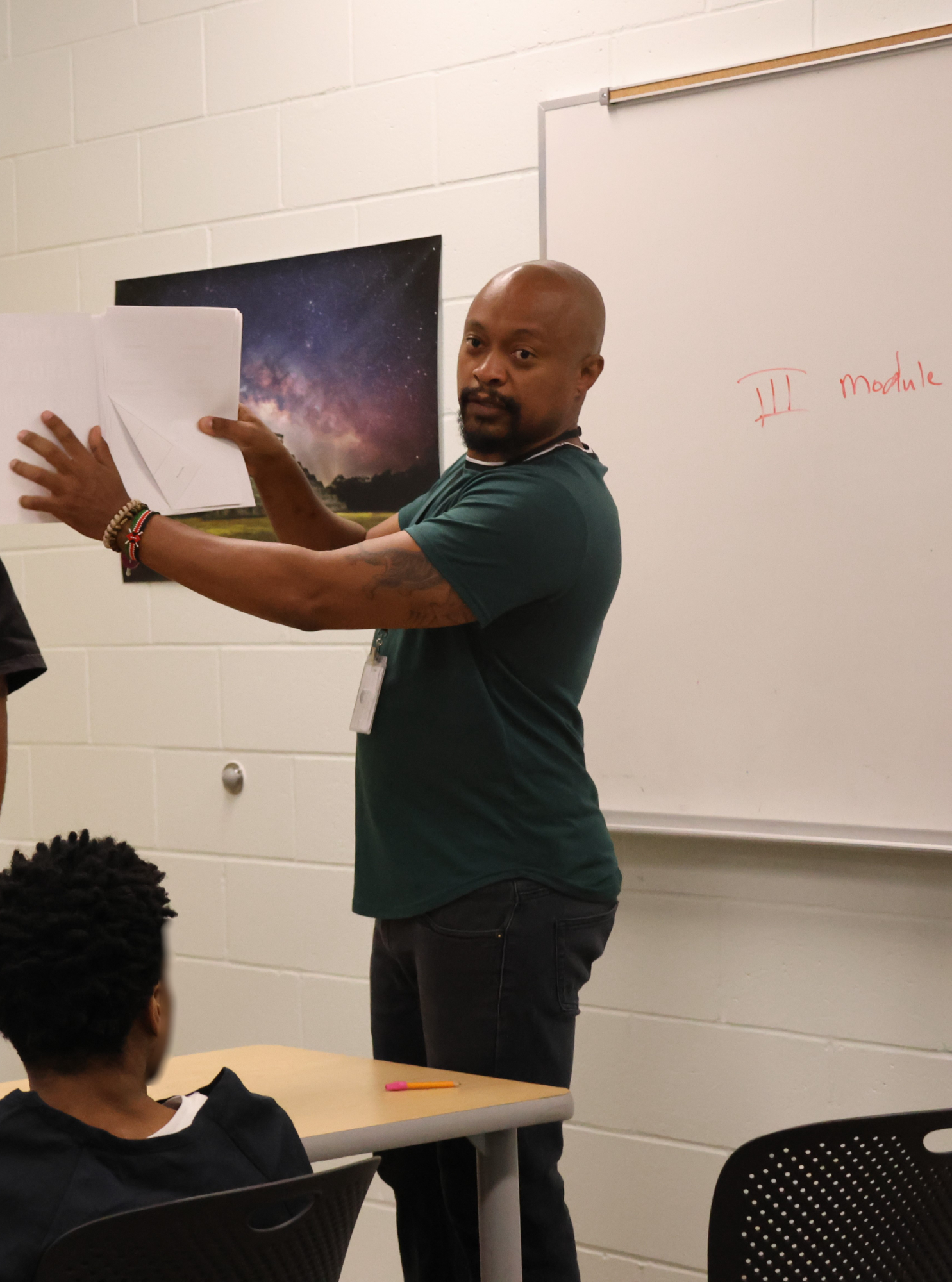
Community safety workshops aim to address these concerns by providing young adults with practical skills and knowledge. These workshops cover a range of topics, including:
Self-defense techniques
Conflict resolution strategies
Emergency preparedness
Understanding local laws and resources
By participating in these workshops, young adults can learn how to navigate potentially dangerous situations and become proactive members of their communities.
Key Components of Effective Workshops
Engaging Curriculum
An effective community safety workshop should have a well-structured curriculum that is both informative and engaging. Here are some essential components:
Interactive Activities: Incorporating role-playing scenarios can help participants practice their skills in a safe environment.
Expert Instructors: Workshops led by professionals, such as law enforcement officers or self-defense instructors, can provide valuable insights and real-world experiences.
Resource Materials: Providing handouts or digital resources allows participants to review key concepts after the workshop.
Building a Supportive Environment
Creating a welcoming atmosphere is crucial for encouraging participation. Facilitators should:
Foster open communication, allowing participants to share their concerns and experiences.
Encourage questions and discussions to deepen understanding.
Promote a sense of community among participants, reinforcing that they are not alone in their concerns.
Success Stories from Community Safety Workshops
Case Study: Local Initiative in Springfield
In Springfield, a community safety workshop initiative was launched in response to rising crime rates. The program targeted young adults aged 18-25 and included sessions on self-defense, emergency response, and neighborhood watch programs.
Results:
Over 200 young adults participated in the first year.
Participants reported a 60% increase in their confidence regarding personal safety.
The initiative led to the formation of a neighborhood watch group, fostering community engagement.
Case Study: Empowering Young Women in Chicago
A workshop specifically designed for young women in Chicago focused on self-defense and personal safety strategies. The program included sessions on recognizing dangerous situations and assertive communication.
Results:
Participants expressed feeling more empowered and capable of handling potential threats.
The workshop received positive feedback, with 90% of attendees stating they would recommend it to peers.
How to Organize a Community Safety Workshop
Step 1: Identify the Target Audience
Understanding the specific needs of your audience is crucial. Consider factors such as age, demographics, and community concerns. Tailoring the workshop to address these needs will enhance its effectiveness.
Step 2: Collaborate with Local Organizations
Partnering with local organizations, such as schools, community centers, and law enforcement agencies, can provide valuable resources and expertise. These partnerships can also help with outreach and promotion.
Step 3: Develop the Curriculum
Create a curriculum that is relevant and engaging. Include a mix of theoretical knowledge and practical skills. Consider incorporating guest speakers or experts to provide diverse perspectives.
Step 4: Promote the Workshop
Utilize various channels to promote the workshop, including social media, community bulletin boards, and local events. Engaging visuals and clear messaging can attract participants.
Step 5: Evaluate and Adapt
After the workshop, gather feedback from participants to assess its effectiveness. Use this information to make improvements for future sessions.
The Impact of Community Safety Workshops
Empowering Young Adults
Community safety workshops empower young adults by providing them with the tools they need to navigate their environments confidently. This empowerment can lead to:
Increased self-esteem
Greater community involvement
Enhanced problem-solving skills
Strengthening Community Bonds
These workshops also foster a sense of community. When young adults come together to learn and share experiences, they build connections that can lead to collaborative efforts in improving neighborhood safety.
Creating a Culture of Safety
By equipping young adults with safety knowledge, communities can cultivate a culture of safety. This proactive approach can deter crime and encourage residents to look out for one another.

Conclusion: Taking Action for a Safer Future
Community safety workshops are more than just educational sessions; they are a means of building bridges within communities. By empowering young adults with knowledge and skills, we can create safer environments for everyone.
As we move forward, it is essential to continue supporting these initiatives and encouraging participation. Whether you are a young adult looking to enhance your safety skills or a community leader seeking to organize a workshop, remember that every step taken towards safety is a step towards a stronger, more connected community.
Call to Action
If you are interested in participating in or organizing a community safety workshop, reach out to local organizations or community centers to explore opportunities. Together, we can build a safer future for all.


Comments